| |
| Monday, 09 November 2026 |
| THE SECRET LIVES OF FICTIONAL HOUSES |
| Annalie Talent |
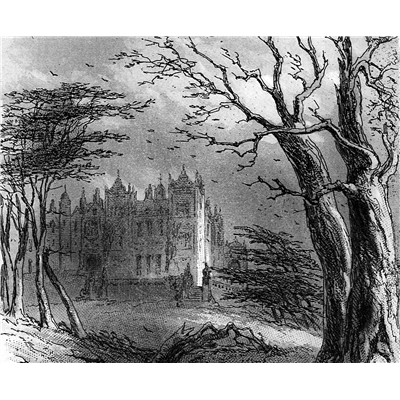 |
Manderley, Wuthering Heights, Howard’s End, Brideshead – just a few of the fictional houses that feature in some of our favourite novels. But these homes are more than just bricks and mortar buildings for fictional characters to live in – they are living, breathing presences in the stories they inhabit – forbidding or welcoming, hiding secrets, haunting dreams, reviving memories of long ago… Some houses are so important, their authors give them starring roles and name their books after them. This lecture will reveal the secret lives of some famous fictional homes; it will uncover their real-life inspirations and their importance not only in the lives of their fictional residents, but also in the lives of their creators. Above all, it will explore how these houses have an uncanny ability to haunt readers’ imaginations and dwell in our memories long after we have turned the final page. Following a career in teaching, Annalie spent several years working on education programmes at museums and literary houses across the UK, including the Wordsworth Trust, Grasmere; Wordsworth House in Cockermouth; Jane Austen’s House in Hampshire; and the Ashmolean Museum in Oxford |
|
| Monday, 14 December 2026 |
| FROM TCHAIKOVSKY TO TIN PAN ALLEY - UPLIFTING MUSIC FOR CHRISTMAS |
| Sandy Burnett |
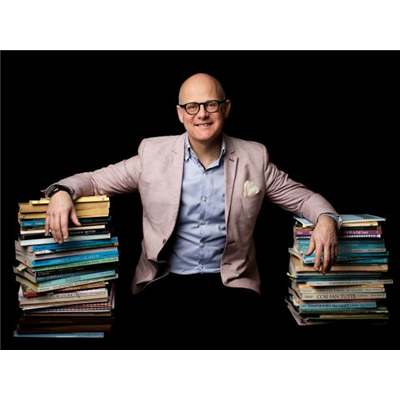 |
To kick off our seasonal celebrations, musician and broadcaster Sandy Burnett is on hand to share his selection of much-loved Christmas tunes. Expect an hour of the finest festive music from across the globe – his selections include sparkling moments from Tchaikovsky’s ballet The Nutcracker, a heartwarming ballad from Mel Tormé, something from Soweto, a heavenly chorus from Johann Sebastian Bach’s Leipzig, an illustration of the English carol tradition at its finest - and something more cynical from Eartha Kitt… After studying at St Catharine’s College, Cambridge and working as music director for the RSC, National Theatre and in London’s West End, Sandy spent a decade as one of the core team of presenters on BBC Radio 3. Combining engaging scholarship with hands-on expertise, he devises and leads cultural holidays all over the world, is the author of the Idler Guide to Classical Music and a highly sought-after double bassist on the London jazz scene. |
|
| Monday, 11 January 2027 |
| A HISTORY OF COLOUR: BLUE! |
| Alice White |
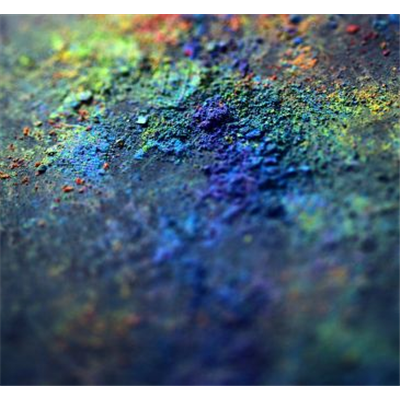 |
Loaded with symbolism, the colour blue creates meaning, provokes emotion and ignites memory on a personal and cultural level throughout the world. From the sacred shade of Ultramarine to the ancient roots of Indigo, to the startling alchemy of Prussian, blue has been used to venerate icons since the earliest human civilisations. Enjoy this rich history of colour via two powerful forces: Impressionism and Japanese Print. When Monet’s waterlilies met Hokusai’s Great Wave, the values of art changed forever. Alice is a contemporary oil painter and a Tutor at the University of the Arts London and University College London. She has provided Guest Lectures at King's College London, The Art Workers' Guild, and the Courtauld Institute of Art. |
|
| Monday, 08 February 2027 |
| BANKSY - FRAUD OR GENIUS? |
| Pepe Martinez |
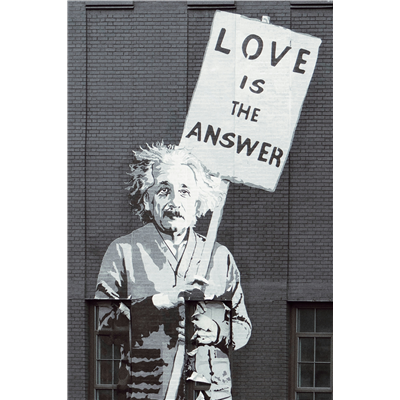 |
The lecture will trace the story of Banksy’s humble beginnings as a tagger on the streets of Bristol in the 1980’s to one of the most recognisable names in the art world. We will examine the reasons behind his incredible rise, looking at some of his famous stunts and discussing what his influence has been on the art market today and what his legacy, if any, might be. Since qualifying as a London Blue Badge tourist guide in 2011, Pepe has specialised in East London's graffiti and street art. Prior to becoming a London Blue Badge guide, he was a tour manager for 15 years, travelling extensively all over the world. Source: Photo by Hannes Richter from Unsplash Picture Library |
|
| Monday, 08 March 2027 |
| CARL FABERGE: JEWELLER TO THE TSARS |
| Laurie Wickwire |
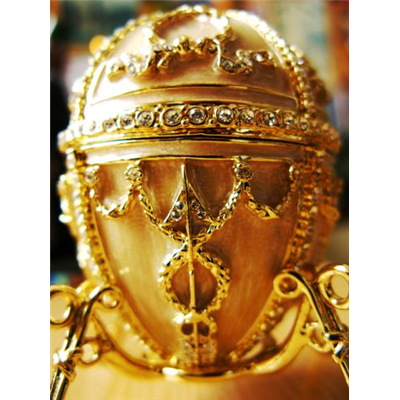 |
Simply the word "Faberge" conjures up images of jewelled art linked to Russian Royalty. This talk explores the relationship between a ruler and a jeweller - the rulers, Romanov Tsars Alexander III and Nicholas II, and the jeweller, Carl Faberge. The Imperial Faberge Eggs were delivered every Good Friday to the Winter Palace, for Russia's Tsars to give as Easter presents to their Tsarinas. The talented 'House of Faberge' became the sought-after jeweller to the "Glitterati" of the time. Come explore the crafting of several Imperial Easter Eggs and learn of the hunt for the missing Faberge Eggs. Laurie is both a certified diamond grader and certified pearl grader. Additionally, she holds a Bachelor of Science Degree in International Business & Finance, and a Bachelor of Arts in French. With over 35 years in the diamond industry, Laurie represents the industry across all sectors: mining, sorting, grading and brokering some of the world’s key rough stones. She has also shared her expertise by lecturing, presenting on television shows, and creating the historical jewellery range for both the Buckingham Palace and Windsor Castle gift shops. |
|
| Monday, 12 April 2027 |
| KRAKOW, 'THE CITY OF THE DRAGON' |
| Douglas Skeggs |
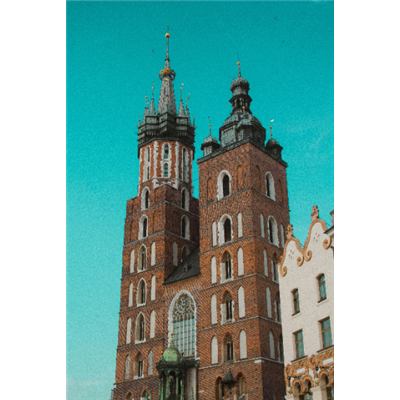 |
Founded back in a time when history is indivisible from legend, Kraków was the ancient capital of Poland until the 17th century. Its great market square, the spider’s web of medieval streets, the curiously irregular towers of St Mary’s with its magnificent carved altarpiece, the university where Copernicus first studied the stars, and, above all, the majestic cathedral overlooking the Vistula River, where the Kings of Poland are buried, tell the story of this turbulent country. This lecture is a personal tour of Krakow in search of the gems of art and architecture, the triumphs, the tragedies and the twists of fate that have shaped this remarkable nation. Douglas read Fine Art at Magdalene College, Cambridge and has been a lecturer since 1980. In that time he has given over 8000 lectures to universities, colleges and art societies. He has written and presented various TV documentaries, notably the Omnibus programme on Whistler and the exhibition video on William Morris. He has published five novels and a book on Monet, ‘River of Light’ |
|
| Monday, 10 May 2027 |
| THE HONOURABLE EAST INDIA COMPANY AND EAST-WEST TRADE: CHINTZ, CHINESE EXPORT AND CHINOISERIE,1600-1800 |
| Vivienne Lawes |
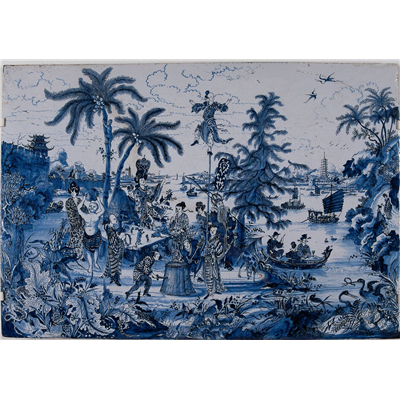 |
This lecture explores how the East India Company developed its trade methods and facilitated the increasingly sophisticated and profound exchange of ideas between East and West. It focuses on textile design as the vehicle for this analysis, but also includes other works, such as wallpaper, porcelain and furniture, as well as the vast commercial trade in spice and tea. Examining first the 17th-century textile trade with India, the lecture shows how the East India Company established a methodology for sending out patterns to be copied by local weavers and dyers, paving the way for the production of chintz – now considered a classic expression of English style. The lecture then turns to the 18th century and the trade with China. Using the same methodology of sending out Western patterns to be copied for export goods, the Company rapidly expanded operations in the Far East. The currency and balance of trade with China are examined, and methods of production are illustrated using a number of Chinese export pieces, predominantly painted silks, but also including furniture and porcelain. The distinction is then drawn between Chinese export and Chinoiserie, a fantasy style produced by Western artists and designers based on the exoticism of China – known to Westerners as ‘Cathay’ – and combining with the prevailing Baroque and Rococo styles in Western design. Vivienne is an art historian, curator, author and journalist with over 25 years’ experience in the art market. She teaches at several Higher Education institutions, including Sotheby’s Institute of Art, London, where she leads the professional certificate in Art History, as well as the University of the Arts London, Imperial College, SOAS (University of London) and the City & Guilds of London Art School. |
|
| Monday, 14 June 2027 |
| ART AND ILLUSION |
| Ian Gledhill |
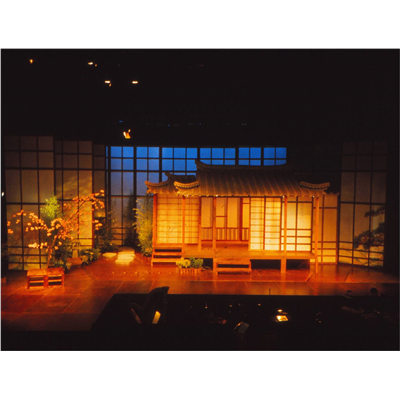 |
The story of stage scenery from Sophocles to Spiderman! Western-style theatre was invented by the Greeks from the 5th century BC onwards, and this talk illustrates the way in which theatre has developed over the last two and a half thousand years, and in particular how stage scenery design has advanced in that time. Ian Gledhill has worked, among other things, as a professional stage designer, and the talk will end with a look at some of his work including a practical demonstration of simple trompe-l’oeil scenic painting. Ian has had a very varied career, from designing underground railways as an engineer for London Transport, to appearing in pantomime with Julian Clary. In between, he has worked in travel and tourism, music publishing, television, and especially the theatre, where he has been an actor, director, set designer, stage manager and opera translator. |
|